

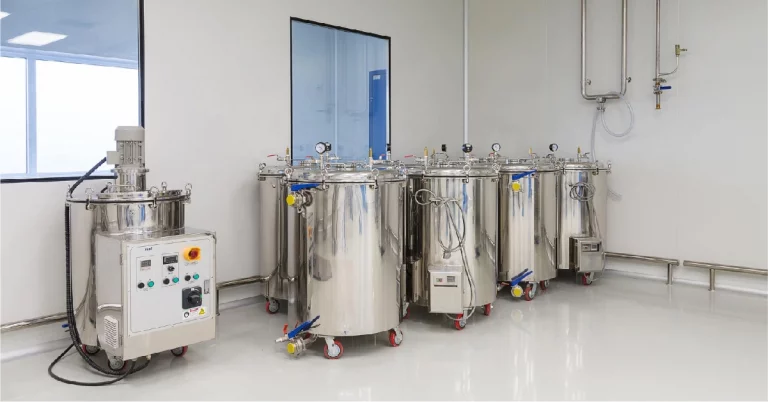
As Nepal continues to expand its industrial infrastructure, municipal water networks, and wastewater treatment facilities, the demand for efficient and reliable water treatment systems is increasing rapidly. One of the most critical components in modern water treatment operations is the chemical dosing system.
Chemical dosing systems ensure precise addition of treatment chemicals into water and wastewater streams, helping maintain water quality, improve treatment efficiency, and support safe plant operations. Whether used in drinking water treatment, industrial processing, cooling systems, or wastewater treatment plants, selecting the right dosing system is essential for achieving consistent performance and regulatory compliance.
Modern industrial dosing systems now combine automation, precision control, and advanced monitoring technologies to support efficient and sustainable water management.
Why Chemical Dosing Systems Are Important?
Water treatment processes rely on controlled chemical addition for various applications, such as:
- pH correction
- Coagulation and flocculation
- Disinfection
- Corrosion inhibition
- Scale control
- Nutrient dosing
- Sludge conditioning
Without accurate chemical dosing solutions, treatment systems may experience:
- Poor water quality
- Chemical wastage
- Equipment corrosion
- Scaling and fouling
- Process instability
- Regulatory non-compliance
Efficient industrial water dosing systems help maintain stable treatment conditions while optimizing operational performance.
How Chemical Dosing Systems Work?
A chemical dosing system is designed to store, measure, and inject chemicals into a water treatment process at controlled flow rates.
Typical systems include:
- Chemical storage tanks
- Dosing pumps
- Flow meters
- Control panels
- Sensors and automation systems
- Injection systems
These systems ensure accurate chemical delivery based on treatment requirements and process conditions.
Types of Chemical Dosing Systems
Different industrial dosing systems are used depending on the type of application and treatment process.
-
Manual Dosing Systems
Manual systems require operator-controlled chemical addition and are generally used in smaller facilities.
These systems are suitable for:
- Small treatment plants
- Low-volume applications
- Basic treatment operations
However, manual systems may lack dosing precision and automation efficiency.
- Automatic Chemical Dosing Systems
Automated dosing systems use sensors, controllers, and pumps to regulate chemical addition automatically.
Benefits include:
- Accurate dosing control
- Reduced chemical wastage
- Improved process stability
- Lower labor requirements
- Real-time monitoring capability
Modern water treatment automation systems increasingly use fully automated dosing technologies.
-
Metering Pump-Based Dosing Systems
Metering pumps are widely used in water treatment dosing equipment for accurate chemical injection.
These systems provide:
- Precise flow control
- Adjustable dosing rates
- Reliable chemical delivery
- Compatibility with various chemicals
Metering pump systems are commonly used in industrial water dosing systems.
-
Common Dosing System Applications
Chemical dosing systems are used across multiple water treatment applications.
-
Drinking Water Treatment
Used for chlorination, pH adjustment, and coagulation processes.
-
Wastewater Treatment Plants
Support biological treatment, disinfection, and sludge conditioning operations.
-
Boiler and Cooling Water Treatment
Control corrosion, scaling, and microbial growth across industrial systems.
-
Industrial Process Water
Maintain process water quality in manufacturing operations.
-
Reverse Osmosis Systems
Do antiscalants and membrane cleaning chemicals for effective filtration performance.
These dosing system applications are critical for maintaining efficient treatment performance.
Factors to Consider When Choosing a Chemical Dosing System
Selecting the right dosing system for water treatment depends on several operational and technical factors.
-
Type of Chemical Used
Different chemicals require compatible dosing materials and pump designs.
Common treatment chemicals include:
- Acids and alkalis
- Chlorine compounds
- Coagulants and flocculants
- Antiscalants
- Biocides
Chemical compatibility is essential for safe and reliable operation.
-
Required Dosing Accuracy
High-precision applications require automated industrial dosing systems with advanced control capabilities.
Accurate dosing improves:
- Treatment efficiency
- Chemical consumption control
- Water quality consistency
-
Flow Rate Requirements
System capacity should match plant treatment flow and operational demand.
Larger treatment plants require higher-capacity water treatment dosing equipment.
-
Automation and Monitoring
Modern water treatment automation systems provide:
- Real-time monitoring
- Automatic dosing adjustments
- Alarm systems
- Remote access capabilities
Automation improves operational reliability and reduces human error.
-
Maintenance Requirements
Choosing systems with simple maintenance and reliable components improves long-term operational performance.
Easy access to pumps, sensors, and control systems helps reduce downtime.
Benefits of Advanced Chemical Dosing Solutions
Modern chemical dosing solutions offer several operational advantages.
-
Improved Treatment Efficiency
Precise dosing improves overall treatment performance.
-
Reduced Chemical Consumption
Optimized dosing reduces chemical wastage and operational costs.
-
Better Water Quality Control
Consistent dosing improves process stability and compliance.
-
Lower Maintenance Costs
Controlled chemical usage reduces equipment damage and scaling.
-
Enhanced Operational Safety
Automated systems reduce manual chemical handling risks.
Water Treatment Automation Systems and Smart Operations
Advanced water treatment automation systems now integrate:
- IoT monitoring
- SCADA systems
- Smart sensors
- Cloud-based analytics
- Automated reporting
These technologies improve visibility, efficiency, and operational control across treatment plants.
Industrial Applications of Dosing Systems in Nepal
Industries in Nepal increasingly use industrial dosing systems across sectors such as:
- Food & beverage
- Pharmaceuticals
- Manufacturing
- Hydropower
- Municipal water treatment
- Textile processing
Growing industrialization is driving demand for efficient and automated water treatment infrastructure.
Ion Exchange Solutions for Chemical Dosing Systems
Ion Exchange provides advanced chemical dosing systems and integrated water treatment solutions for industrial and municipal applications.
Their offerings include:
- Chemical dosing solutions
- Industrial dosing systems
- Automated water treatment dosing equipment
- Water treatment automation systems
- Customized industrial water dosing systems
Using advanced engineering and automation technologies, Ion Exchange helps industries improve treatment performance and operational efficiency.
Conclusion
Choosing the right chemical dosing system is essential for maintaining efficient and reliable water treatment operations. From industrial dosing systems and metering pumps to advanced automation technologies, modern dosing solutions help industries optimize chemical usage, improve water quality, and support sustainable operations.
As Nepal continues to strengthen its water treatment infrastructure, advanced chemical dosing systems will play a critical role in improving operational efficiency and supporting long-term water sustainability.
FAQs
1. What is a chemical dosing system used for?
It is used to inject controlled amounts of chemicals into water and wastewater treatment processes.
2. Why is accurate dosing important in water treatment?
Accurate dosing improves treatment efficiency, reduces chemical wastage, and maintains water quality.
3. What industries use industrial dosing systems?
Industries such as manufacturing, food processing, pharmaceuticals, power, and municipal treatment plants use dosing systems.
4. What are the benefits of automated dosing systems?
They improve precision, reduce manual intervention, enhance safety, and support real-time monitoring.
5. How does Ion Exchange support water treatment dosing applications?
Ion Exchange provides advanced chemical dosing solutions, automation systems, and customized water treatment equipment for industrial and municipal applications.