

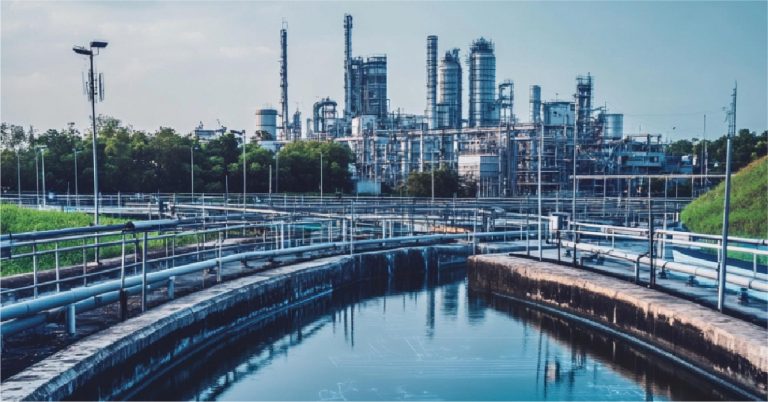
Thermal power plants are among the most water-intensive industrial operations. From steam generation to cooling and ash handling, nearly every stage depends on large quantities of water. As global attention shifts toward conservation and efficiency, water management in thermal power plants has become a critical sustainability concern — especially in regions where freshwater resources are under stress.
Integrating advanced digital technologies, such as IoT-enabled sensors and automation systems, has redefined how plants monitor, control, and optimize water usage. Smart sensors are now at the core of sustainable water resource management, ensuring operational efficiency while protecting the environment.
Understanding Water Management in Thermal Power Plants
Effective water management refers to the strategic use, treatment, and recycling of water throughout the power generation process. In thermal power plants, water is used primarily for:
- Boiler Feed and Steam Generation – Producing high-pressure steam to drive turbines.
- Cooling Systems – Condensing exhaust steam for reuse.
- Ash Handling – Transporting and disposing of fly ash and bottom ash.
- Treatment and Recycling – Ensuring the water used in processes remains within quality parameters.
Without efficient water management systems, plants face challenges such as high operational costs, risks of water scarcity, and non-compliance with environmental regulations.
What is Sustainable Water Management?
What is sustainable water management? In simple terms, it’s the practice of using water responsibly to meet present industrial needs without compromising future availability. For thermal power plants, this involves:
- Minimizing freshwater intake through reuse and recycling.
- Preventing contamination and thermal pollution.
- Reducing wastewater discharge using Zero Liquid Discharge (ZLD) systems.
- Monitoring water quality continuously for better decision-making.
By implementing smart, data-driven solutions, plants can ensure that every drop of water is optimized — aligning operational efficiency with sustainability goals.
Role of Smart Sensors in Sustainable Water Resource Management
Smart sensors have transformed sustainable water resource management by enabling real-time visibility and control over water processes. These sensors collect data on key parameters like pH, conductivity, flow, turbidity, temperature, and total dissolved solids (TDS).
Key Advantages of Sensor-Based Water Management:
- Continuous Monitoring – Smart sensors track water quality and consumption 24/7 across treatment and cooling systems.
- Leak Detection – Early identification of leaks or inefficiencies helps reduce water losses and operational costs.
- Predictive Maintenance – Data-driven alerts help prevent equipment failures and unplanned shutdowns.
- Optimized Chemical Dosing – Automated control of chemical feed systems ensures efficient water conditioning.
- Regulatory Compliance – Real-time data logging streamlines environmental reporting and ensures compliance with discharge norms.
Through integration with SCADA and IoT-based platforms, operators gain actionable insights — turning reactive maintenance into predictive efficiency.
Building an Intelligent Water Management System
An intelligent water management system combines sensors, automation, and analytics into a cohesive digital ecosystem. In a thermal power plant, this system can monitor every step of the water cycle — from intake and treatment to reuse and discharge.
Components of a Smart Water Management System:
- Smart Flow and Quality Sensors – Tracking water movement and quality at each stage.
- SCADA and Cloud Integration – Centralized control and real-time reporting.
- AI-Powered Analytics – Identifying trends, optimizing chemical usage, and predicting maintenance needs.
- Automated Valves and Pumps – Enabling remote operations and reducing manual intervention.
- Energy-Water Nexus Optimization – Balancing water and power use to lower environmental footprint.
Such systems empower thermal power plants to make data-backed decisions, improve efficiency, and move toward zero-waste discharge operations.
Ion Exchange’s Role in Power Sector Water Management
Water Management at O.P. Jindal Thermal Power Project, Chhattisgarh
Successfully commissioned, plant comprising pretreatment, demineralisation with ultra filtration, side stream filtration, and chlorination with accessories and auxiliary packages for the 1000 MW (4×250 MW) O.P. Jindal Thermal Power Project at Tamnar, District Raigarh, Chhattisgarh. The pretreatment plant consists of three clarifiers, each of 1750 m3/h capacity; the demineralisation plant consists of a 3 x 100 m3/h chain, ultra filtration along with accessories and auxiliaries; the cooling water treatment plant comprises six vacuum feed chlorinators of 200 kg/h each, and the 20 automatic valveless gravity filters are each of 175 m3/h capacity.
The Future of Smart Water Management in Thermal Power
With increasing emphasis on decarbonization and resource efficiency, the future of water management in thermal power plants lies in digital transformation. Smart sensors, automation, and AI will continue to redefine how water is treated, recycled, and conserved.
By adopting these technologies, power plants in Asia and beyond can transition from traditional operations to truly sustainable, intelligent utilities — achieving greater reliability, compliance, and cost-efficiency.
Conclusion
Sustainable water resource management is no longer an option for thermal power plants — it’s a necessity. Smart sensors, when integrated into a comprehensive water management system, provide the precision, transparency, and control needed to achieve long-term sustainability.
With Ion Exchange’s expertise in water management, industries can build smarter, more efficient, and environmentally responsible operations that align with global sustainability goals.