

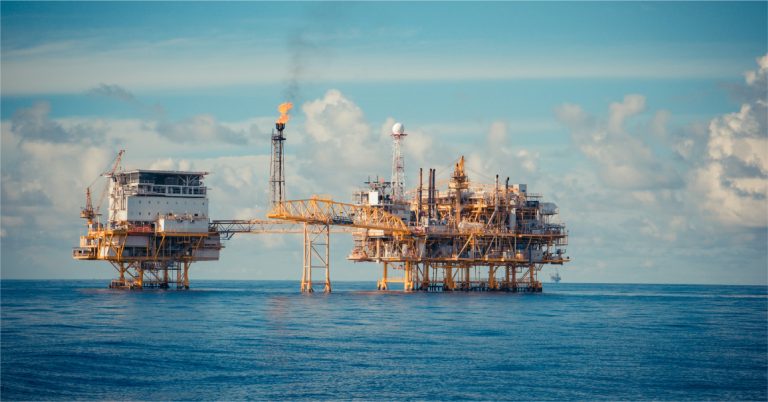
Nepal’s energy sector is steadily expanding, with upstream and downstream oil & gas operations requiring reliable water access for drilling, refining, cooling, and utility processes. However, the country’s growing water stress, seasonal variability, and rising consumption across industries have made water management a critical priority. For the oil & gas sector — where water use is significant, and wastewater complexity is high — adopting integrated, efficient, and sustainable systems is no longer optional.
With increasing environmental scrutiny and the need for operational continuity, the sector must now shift toward sustainable water resource management that conserves freshwater, maximizes reuse, and ensures compliance with evolving standards.
Why Water Scarcity Demands a New Approach?
Nepal experiences uneven water availability due to geography, climate variability, and rapid urban-industrial growth. In oil & gas operations, water is required for:
- Drilling and well development
- Refinery utilities (cooling towers, boilers)
- Desalting and washing
- Hydrotesting
- Firefighting systems
- Wastewater treatment
As freshwater becomes limited, industries must adopt an integrated water management system that reduces dependency on rivers and groundwater while improving recycling efficiency.
What Is Sustainable Water Management in Oil & Gas?
To address scarcity, companies must move beyond traditional treatment methods and adopt holistic strategies. Understanding what sustainable water management is becomes essential — it means using water in a way that supports long-term availability, environmental protection, and operational reliability.
Key components include:
- Reducing freshwater intake
- Increasing internal recycling of treated water
- Treating complex effluents for safe discharge
- Recovering valuable by-products
- Minimising energy and chemical use
- Using automation for real-time optimisation
A sustainable approach benefits both operations and surrounding communities.
Challenges in Nepal’s Oil & Gas Water Cycle
Oil & gas wastewater contains oil, grease, solids, chemicals, salts, and dissolved contaminants. Common challenges include:
- High organic load and emulsified oils
- Variable wastewater quality
- Limited freshwater availability in remote drilling sites
- Need for compact systems.
- High discharge standards for sensitive ecosystems
- Rising operational costs
These issues highlight the importance of integrated water resources management across the full lifecycle of water — from sourcing to discharge or reuse.
Integrated Water Management: A Complete Framework
A well-engineered integrated framework for Nepal’s oil & gas sector includes:
1. Smart Water Sourcing
Optimised abstraction, rainwater harvesting, and use of alternative water supplies to reduce pressure on local resources.
2. Advanced Treatment Systems
Technologies such as:
- API separators
- DAF units
- Biological treatment (MBBR/MBR)
- Ultrafiltration
- Reverse osmosis
- Evaporation for high-TDS wastewater
These ensure stable, compliant treatment.
3. Water Recycling & Reuse
Treated water can be reused for:
- Cooling
- Utility washing
- Gardening/greenbelt development
- Firewater replenishment
- Drilling mud preparation
A recycling-focused water management system reduces freshwater demand by up to 40–70%.
4. Zero Liquid Discharge (ZLD) for Sensitive Regions
ZLD is crucial for protecting surface and groundwater, especially in remote or environmentally sensitive drilling areas.
5. Monitoring & Automation
SCADA, IoT sensors, and real-time water quality tracking support consistent performance and lower operating costs.
Benefits of Sustainable Water Resource Management for Oil & Gas
A well-designed approach enables:
- Reduced freshwater dependency
- Improved refinery and drilling efficiency
- Lower chemical and energy consumption
- Compliance with discharge and environmental norms
- Reduced long-term operating costs
- Better resilience to climate-driven water fluctuations
For Nepal, where water scarcity can directly impact industrial continuity, sustainable strategies provide operational stability.
Ion Exchange’s Expertise in Integrated Water Solutions
Refinery
Total Water Management for Reliance Industries Limited, Jamnagar
Speaking volumes for Ion Exchange’s capability for turnkey execution of large and complex water and waste treatment plants, Reliance Industries Limited (RIL), Jamnagar, had entrusted to us a water contract 3 3 treatment plant (13 x 388 m /h), condensate polishing unit (3 x 388 m /h ), and effluent treatment plant.
Wastewater treatment is carried out in a committed, state-of-the-art, completely automated & PLC-operated Effluent Treatment Plant (ETP). The effluent treatment area is designed to contain and treat all internal process/utility wastewater and storm/ rewater, with the objective of zero discharge from the refinery complex. The treated water is recycled back to the high total dissolved solids treatment train. Effluents are 3 isolated into four identical wastewater streams designed for a treatment capacity of 500 m /h each and maximization of reuse.
The Low Total Dissolved Solids (LTDS) stream, a mixture of process/oily water which includes non-phenolic wastewater, is tempered to an effluent quality adequate for reuse for cooling water makeup, rewater makeup up and irrigation water for expansion and preservation of the local green belt.
The High Total Dissolved Solids (HTDS) stream is a mixture of process/oily wastewater that has been in contact with process streams, such as in the crude unit desalters, and has absorbed or dissolved mineral ions such as sodium chloride. This stream also comprises (treated neutralised) process solvents such as spent caustics and phenolic wastewater. This water is treated by a downstream membrane process to an effluent quality adequate for re-use as partial makeup in seawater cooling tower and as process water.
The Oily Water Sewer (OWS) stream is a mixture of process/oily water, which includes oily condensates from various refinery units, sanitary sewage (after primary treatment), drainage from tanks, contaminated stormwater, etc. The treated OWS effluent is perfect for horticulture.
The ambit of treatment also includes three by-product streams generated during the treatment of refinery wastewater – skimmed or slop oils, oily sludge, and biological sludge. Skimmed oil is chemical and heat-treated, with recovered oils transferred back to the refinery for reprocessing. Oily sludge is thickened and then transferred back to the delayed coker unit for reprocessing. Biological sludge is thickened, stabilised, dewatered, and disposed of in landfills.
Each of the above streams employs identical equipment for treating effluents.
The effluent treatment plant is treating 100% of the effluent yielded by the refinery since its commissioning in December 2008 and systematically producing treated effluent (pH 6-8.5, Sulphide < 0.5 ppm, COD < 50 ppm, Oil & Grease < 5 ppm, Phenol < 0.35 ppm), fulfilling guaranteed parameters for re-use for various applications mentioned earlier. We have also supplied a Demineralization (DM) plant, side stream filters, condensate polishing unit, completing our total water management capabilities. We are also operating and managing the cooling tower programs and ETP with our specialty chemicals and expert manpower.
Conclusion
As water scarcity intensifies, the oil & gas sector in Nepal must adopt integrated, sustainable strategies that reduce freshwater usage and maximise reuse. With advanced technologies and a holistic understanding of water management, companies can ensure reliable operations while meeting environmental responsibilities.
Connect with Ion Exchange experts to design end-to-end water management system solutions tailored to Nepal’s oil & gas operations.